Laptops, AI Rules, and Less Paperwork: What DepEd's Latest Moves Mean for How Teachers Grade
New devices, national AI rules, and workload reform are changing how Philippine teachers check student work.


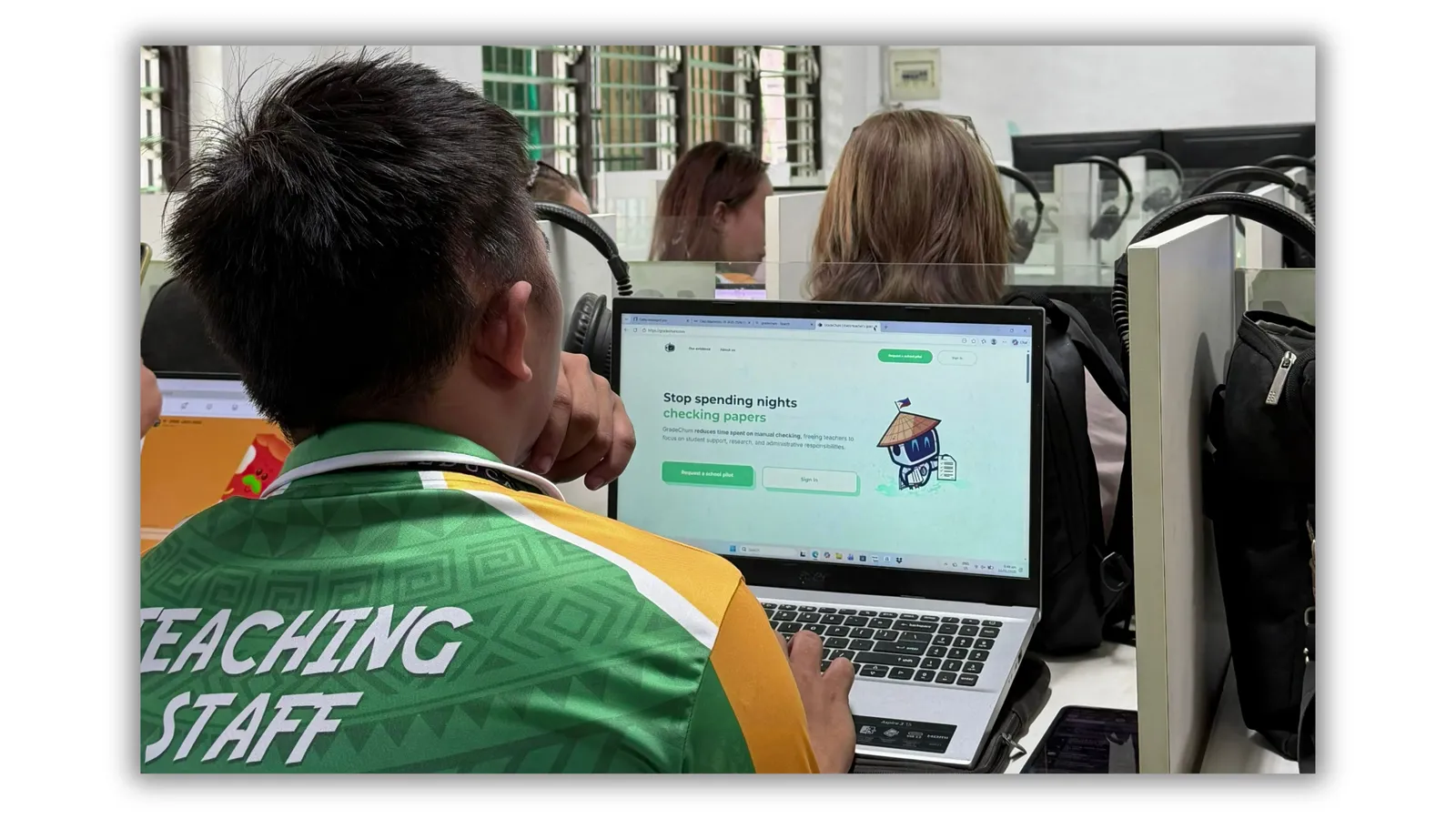
It has been a busy few months for Philippine education. In the span of a single school year, the Department of Education (DepEd) has issued its first national rules on artificial intelligence, promised to cut teacher paperwork, and started handing out more than 230,000 new laptops. For teachers, these are not separate stories. They all point to the same question: how do we give educators back time, without taking away their judgment?
Here is what has happened, what it means, and where grading fits in.
The laptops are arriving
DepEd began distributing 231,725 newly procured laptops to public school teachers on November 9, 2026. The batch is made up of 169,008 Apple MacBook Neo units and 62,717 Windows-based laptops. Distribution starts with schools that have not received units under the Laptops for Teachers program before, and priority goes to teachers who do not already have a government laptop.
The numbers also show the size of the gap. Education Secretary Sonny Angara has said DepEd has more than 840,000 teachers, so only a portion will receive a device in this round. Teachers' groups have already said the allocation falls short of what is needed.
Why it matters: a device in a teacher's hands is the starting point for any digital workflow, from lesson planning to recording scores. But hardware only helps if the software and the school's workflow make teachers' lives easier.
DepEd now has national rules for AI in schools
In February 2026, DepEd issued Order No. 003, s. 2026, its first comprehensive guidelines on AI in basic education. The order allows AI to support teaching, learning, assessment, and school operations, while prohibiting uses it classifies as unacceptable risk, such as facial recognition and social scoring.
Several points stand out for anyone working on assessment:
- Human oversight is required. AI tools cannot be the sole basis for grading or learner evaluation. Final decisions must stay with a human.
- Privacy comes first. Before an AI system is deployed, schools and DepEd offices must complete a Privacy Impact Assessment under the Data Privacy Act of 2012.
- Tools are tracked. AI systems must be listed in a DepEd AI Registry, with details such as the vendor, purpose, and risk classification.
- Transparency is expected. Teachers and learners must disclose AI assistance where applicable.
Why it matters: the message is neither "ban AI" nor "let AI decide." It is "use AI as support, and keep teachers in charge." That is a sensible line, and it is one every edtech product serving Philippine schools should be able to explain clearly.
The paperwork problem is still a live debate
In August, DepEd said it had reduced teachers' administrative paperwork by 57 percent, and that it is deploying additional administrative staff. Earlier, the government approved 22,268 new non-teaching positions to ease teacher workload.
Not everyone agrees the relief has arrived. In June, the Alliance of Concerned Teachers said it had yet to feel promised reductions in workload, noting that many teachers handle multiple subjects and still carry administrative tasks outside their job description.
Both things can be true: the policy direction is real, and many teachers are still waiting to feel it in their daily routine.
Why it matters: grading is one of the most time-consuming parts of teaching, and it often happens after school hours. Any serious effort to reduce workload has to look at it.
What this means for grading
Put the three developments together and a clear picture forms:
- More teachers will have the hardware to use digital tools.
- The rules say AI must assist, not replace, teacher judgment.
- Teachers still need time back, and checking papers is a big part of that.
That is the space GradeChum was built for. GradeChum is a Cebu-based platform that helps teachers check handwritten exams, including multiple choice, problem solving, and essays graded against rubrics the teacher sets. Teachers print answer sheets, scan them with the GradeChum Scanner app, and review the results. Students can see their scores and feedback once the teacher releases them.
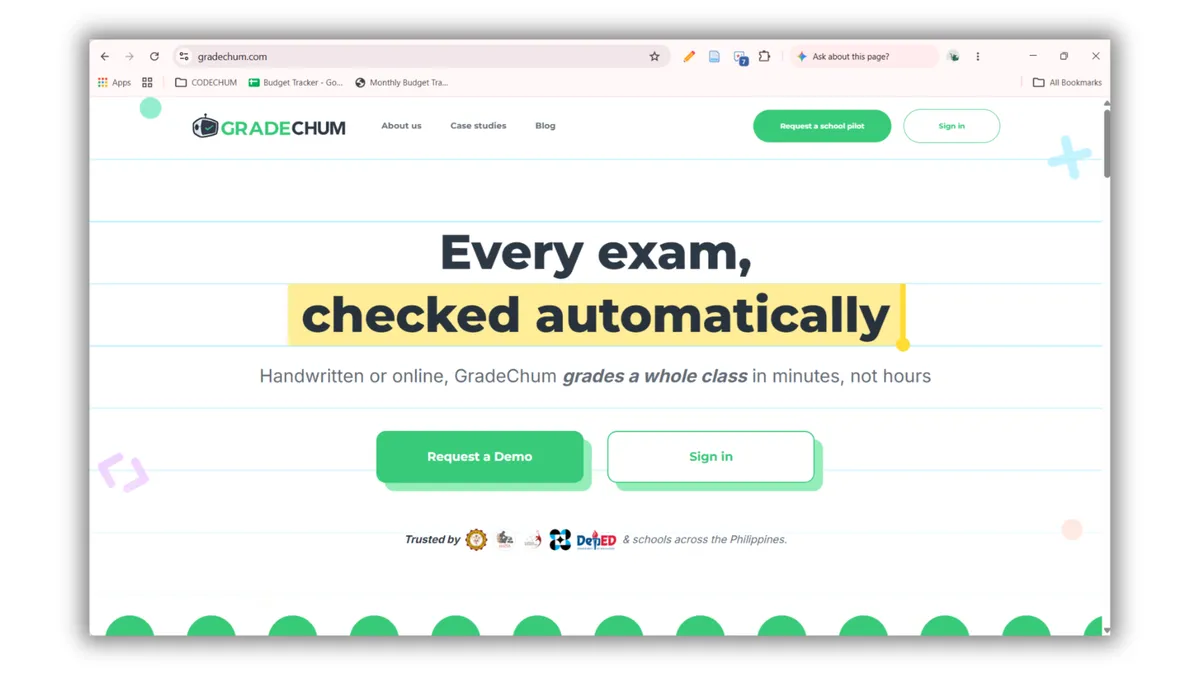
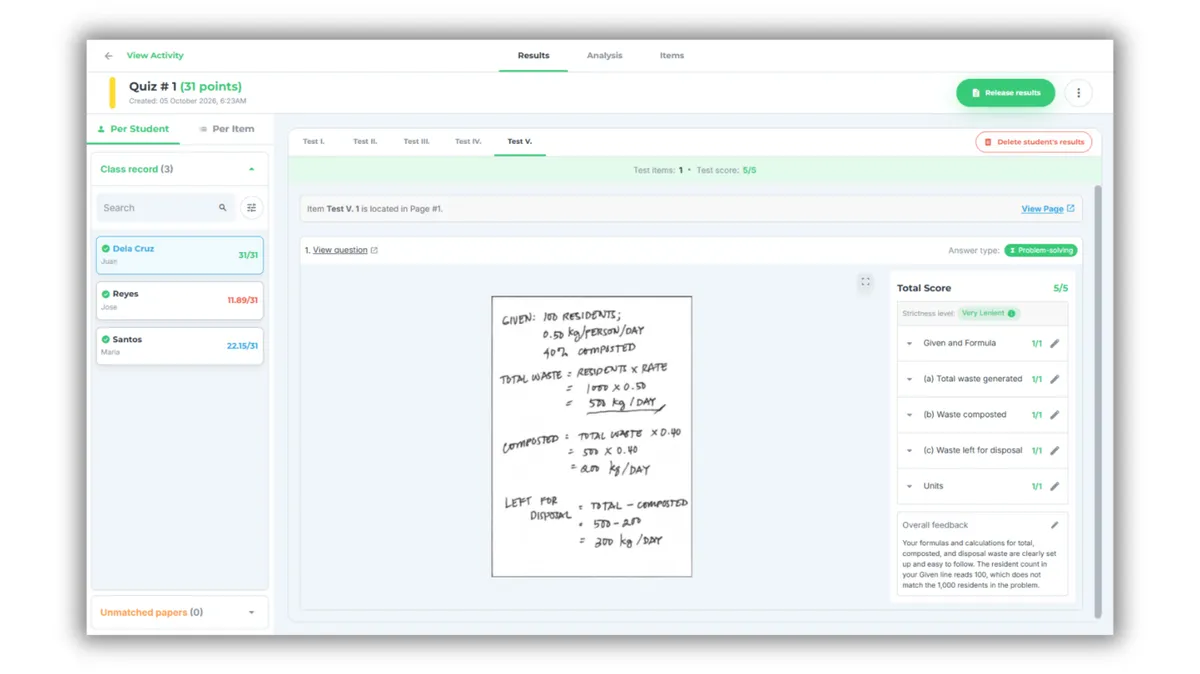
The teacher stays in control of the rubric, the review, and the release of results. That design matters more now that national policy asks for human oversight in grading.
The bottom line
Philippine schools are getting devices, guardrails, and a stated commitment to lighter workloads. The next step is making sure the tools teachers actually use respect both their time and their judgment.
If you are a school leader or teacher curious about how GradeChum fits your classroom, email us at info@gradechum.com.